
1. Overview
Integration with Existing Systems ensures that the platform doesn’t operate in a vacuum but serves as a converging point for the enterprise’s data. It fulfills the requirement to “integrate the module with existing systems to ensure centralized and fluid management of customer and contract data.” This capability is necessary to avoid data duplication and ensure consistency across business systems, acting as the single source of truth.2. Scope and Business Meaning
Functionally, this deliverable covers the Data Interoperability & Governance layer. It ensures:- Centralized Repository: Hosting data from disparate legacy systems in a single, modern environment.
- Data Consistency: Eliminating synchronization errors by maintaining a master record of customers and contracts.
- Fluid Management: Allowing seamless read/write operations on imported data without technical barriers.
3. Implemented Functionalities
The platform implements “Integration” through the Data Lake Manager, which is designed to ingest and standardize external data.Unified Data Ingestion
Requirement Addressed: “Integrate with existing systems” The Data Lake provides robust tools for migrating data from external systems into the platform:- Universal Import: supporting CSV, XLSX, and XLS formats to rapidly ingest data.
- Auto-Schema Detection: The system automatically reads the structure of external files and creates the corresponding database schema, reducing integration time to seconds. Refer: Data Lake Manager
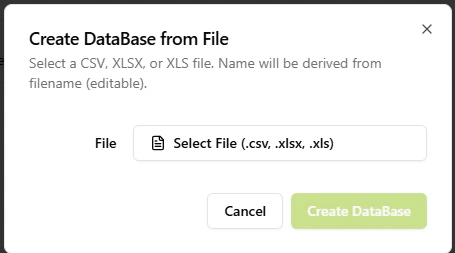
Ingesting external data from legacy systems via file import.
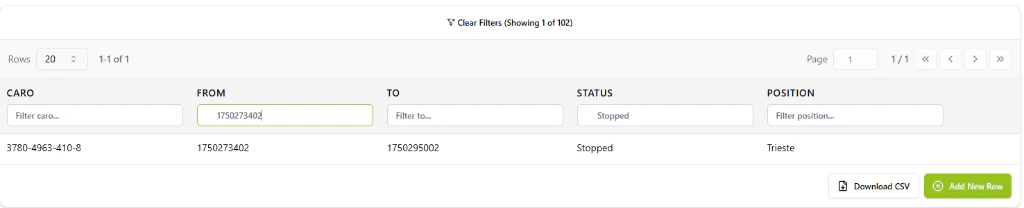
The central interface for managing imported customer and contract data.
Centralized Data Governance
Requirement Addressed: “Centralized and fluid management” Once integrated, the data becomes a first-class citizen in the ecosystem:- Unified Editing: Users can manage imported contracts and customer details using the platform’s modern UI, bypassing clunky legacy interfaces.
- Cross-System Consistency: By centralizing edits in the Data Lake, the organization maintains a single, consistent version of the truth.
4. Technical Enablement
The platform enables this deliverable through:Data Lake Architecture
- Schema Agnostic Storage: The Data Lake is built to handle dynamic schemas, meaning it can adapt to the structure of any “existing system” without requiring code changes.
- Interoperabilty Layer: The file import engine acts as a bridge, translating static exports into active, queryable database collections.